Either premium or non-premium, the brand positioning of carmakers are the results by marketing for years effort. In the future that automotive technology gradually become highly shared with various brands, the difference between the essence of cars are getting smaller. On the other hand, the level of automation for manufacturing process of whole car is rising year by year, which makes the variance by labor works getting lower. As stated above, there will be no obvious difference in positioning level of products from each brand, even before the commercialization of autonomous driving technology. If premium brands still want to persuade consumers with high-pricing strategy, then thoughtful arrangement including more convenience about purchase process, less promotion, and no more human disturbance during the sales decision-making process, should be the urgent need for rich people to buy it.
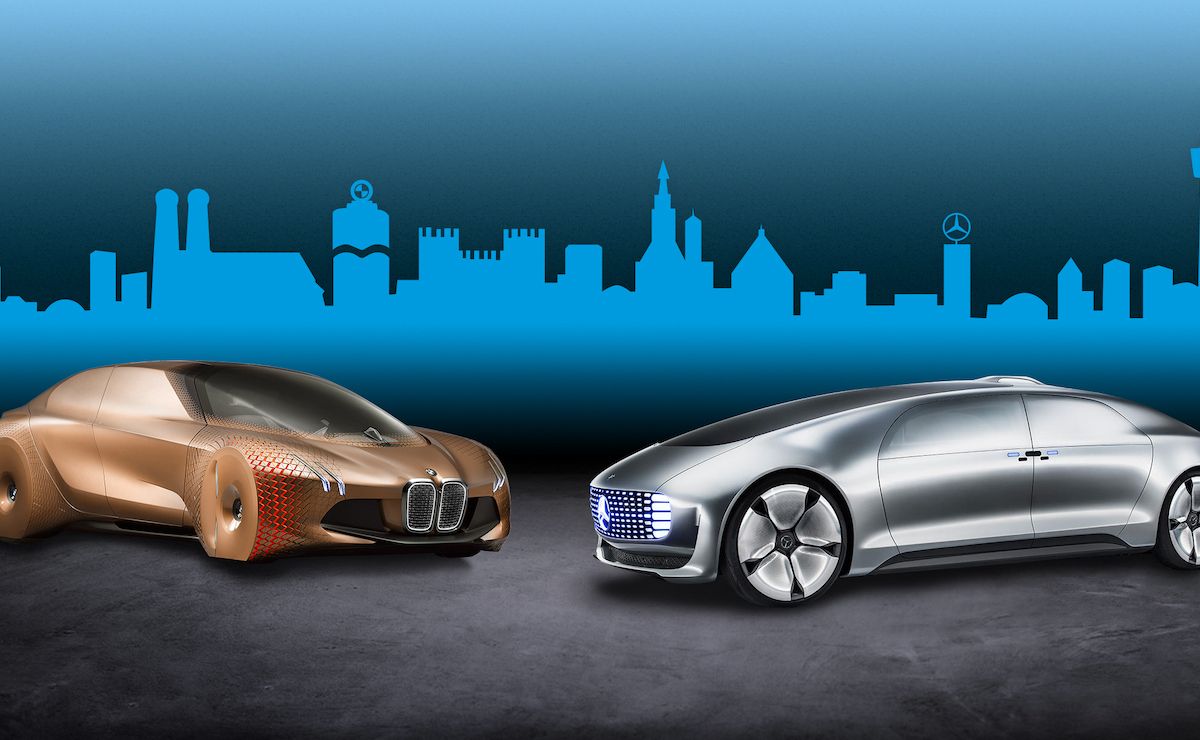
In the era of ICE cars, after years of consumers’ experience, carmakers made its own image and position that is acknowledged collectively. Similarly, when the era of BEVs comes, there will be differences of positioning among each brand. Comparing to BEVs startups or fully autonomous driving BEV brands that provoked the war of new generation cars, could traditional premium carmakers keep the positioning margin in ICE car market nowadays to utilize high-pricing strategy to achieve high profitability as they transfer half or even all of their product portfolio to BEVs from 2030? This will be an interesting topic because the new age of cars will bring infinite business opportunities for startups; there will not be only one Tesla after 2030.
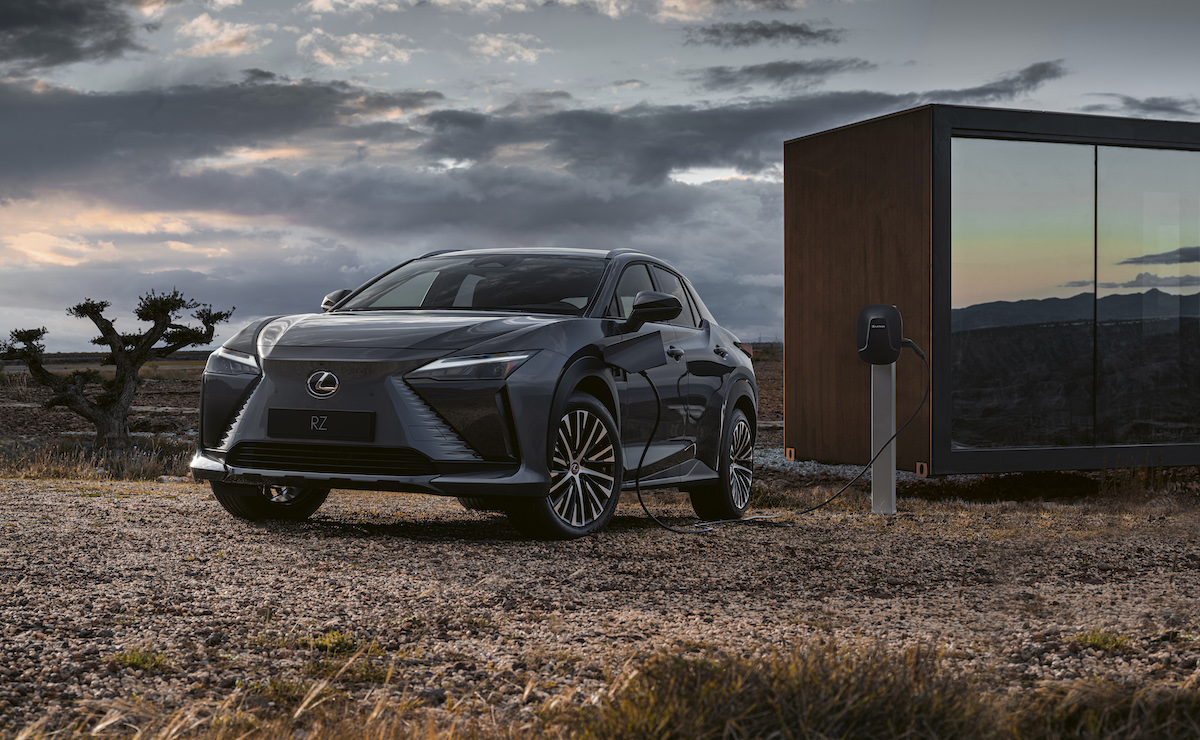
In the past two years, major traditional carmakers (including premium brands, of course) successively proposed the mid-term and long-term strategy for 2025, 2030, and 2035 onwards, to show shareholders and consumers their “antidote” to fight new energy or new technology of cars. These unrealized or just-started plans need to pour in huge investment for the R&D of new technologies, to complete the transformation to “software-defined” carmakers, to introduce BEVs with all-new platform design around 2025, and to transfer more than half or even all of their product portfolio to BEVs in 2030, in common. Premium brands even bring up “radical” strategies that regards BEVs as the resort to keep their positioning margin. In other words, before the consumer market challenge to the product competitiveness and residual value , traditional carmakers had already regarded BEVs positioning above that of ICE cars. In addition to the pressure from emission regulations around the world that gradually getting stricter, traditional premium carmakers are willing to abandon ICE and transmission technologies that they took pride in before, to put themselves in an unfamiliar field. The mindset of determination may only be described as “burning the bridge behind you”. In the situation that strategies turned the other way substantially, there are some chances and risks that premium brands might be facing…
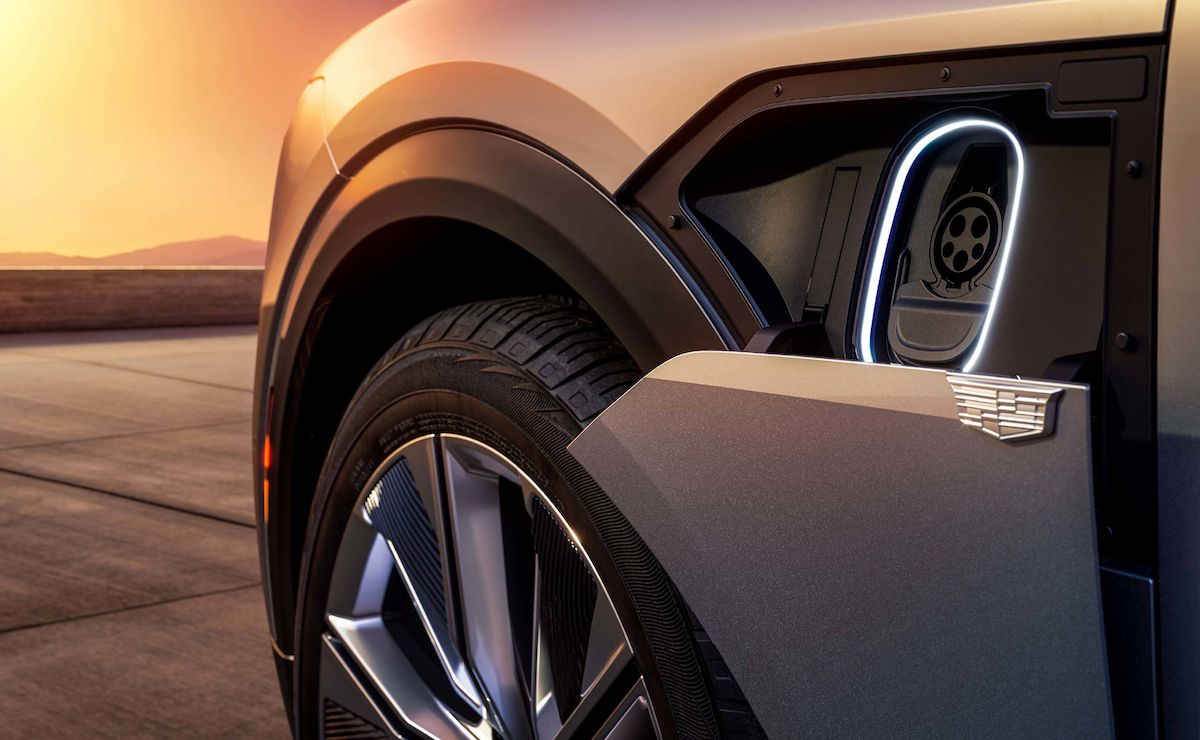
- Get rid of the harassment of dividing resources into BEVs and ICE cars, to focus on accelerating the R&D of new technologies for BEVs, so as to shorten the throes of transformation, then enter the era of BEVs early.
- The advantages of traditional carmakers are white-collar labor forces that is familiar with marketing, existing retail channels, and loyal customers; but the disadvantages are also these. As a traditional industry, the work pace and thinking logic in automotive industry usually limit the imaging space for new technologies. In consideration of financials and new generation sales and service module, the existing retail channels might be a burden in the fast evolving and competitive environment in the future. Loyal owners are aging after ten or twenty years, and the influence factor of “loyalty” in new car consumer behavior will decrease gradually.
- Most of startups need fundraising to get through the difficulty of huge investment without profit in the beginning. But if anyone got through this financial trial, its flexibility will help it gain a foothold in the new technological generation to keep growing. Therefore the market share of traditional premium brands or even regular brands will keep being nibbled, and even when the autonomous driving technology begin commercializing after 2030, I predict that there will be a new “mobility consuming mainstream” led by some startups or brands created by tech giants, because cars will be defined as mobility platform at that time, and the autonomous driving technology will have massive influence on the “mobility life” of car-buying, car rental, and car-sharing; and at the same time, the importance of retailing behaviors for sales strategy of carmakers will decrease year by year. The positioning for so-called “premium” brand will be more difficult to be identified at that time because “owning” a car will no longer be the main option for youngsters in the new generation.