16ᵗʰ February 2026
●Japan’s Ministry of Land, Infrastructure, Transport and Tourism has officially brought into effect revised Road Transport Regulations, simplifying the import procedures for U.S.-manufactured vehicles and easing safety assessment requirements. Vehicles that comply with U.S. safety standards will no longer be required to undergo additional safety inspections, and authorities will affix a star-shaped label to the vehicles for identification.

18ᵗʰ February 2026
●Japanese Prime Minister Sanae Takaichi stated that Japan will invest USD 550 billion (approximately NT$17.3 trillion) in the United States, targeting the oil and gas sector in Texas, power generation facilities in Ohio, and the critical minerals industry in Georgia. Projects in Georgia will include the production of synthetic diamonds required by the automotive industry.
●The European Union plans to require electric vehicle manufacturers receiving state support to ensure that 70% of components other than batteries, as well as several key battery components, are produced within the EU, in order to counter competition from mainland China.
●Nexperia will receive a USD 60 million loan (approximately NT$1.89 billion) from the state-owned institution Invest International to expand capacity across its global sites, helping to enhance the stability of the automotive supply chain.
19ᵗʰ February 2026
●The latest export statistics released by the U.S. Department of Commerce show that Taiwan’s exports to the United States in the first 11 months of 2025 surpassed those of South Korea, with one contributing factor being the impact of high tariffs on South Korean automobiles.

20ᵗʰ February 2026
●The U.S. Supreme Court announced its ruling, determining that the large-scale tariff measures implemented by President Trump under the International Emergency Economic Powers Act lacked clear legal authorization, rendering them unlawful. The implications for Taiwan remain to be seen.
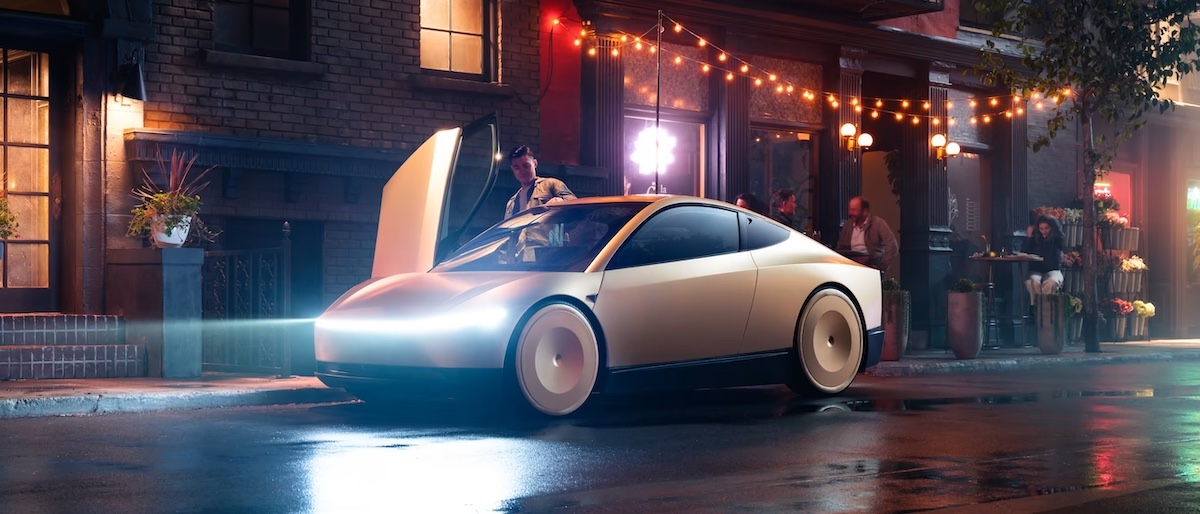
●Tesla will launch robotaxi services in 30 cities in 2026 and begin large-scale mass production of the Cybercab.
●Uber, together with more than 10 partner organizations, plans to roll out autonomous taxi services in 10 markets by the end of 2026.