The study was released by Li Yanwei, a key representative of China’s auto dealer system and a member of the China Automobile Dealers Association. Rather than simply comparing annual average prices, his methodology used retail list prices at the beginning of 2023 as a baseline, then applied actual sales volumes and subsequent price cuts to calculate cumulative losses. The findings show that the average transaction price of new vehicles in China fell by about 11% over three years—from 217,000 yuan in 2023 (approximately NT$986,000) to around 194,000 yuan in 2025 (approximately NT$881,000). This gap directly translated into a rapid erosion of overall industry revenue.

The trigger for the price war is widely believed to have been Tesla’s decision in early 2023 to take the lead in sharply cutting prices in the Chinese market. As the world’s largest single automotive market, China’s pricing signals carry strong demonstration effects, forcing domestic brands and foreign automakers alike to follow suit. This form of “passive price cutting” was not built on improved cost structures, but rather served as a defensive move to preserve market share and capacity utilization—quickly pushing competition into a vicious cycle.
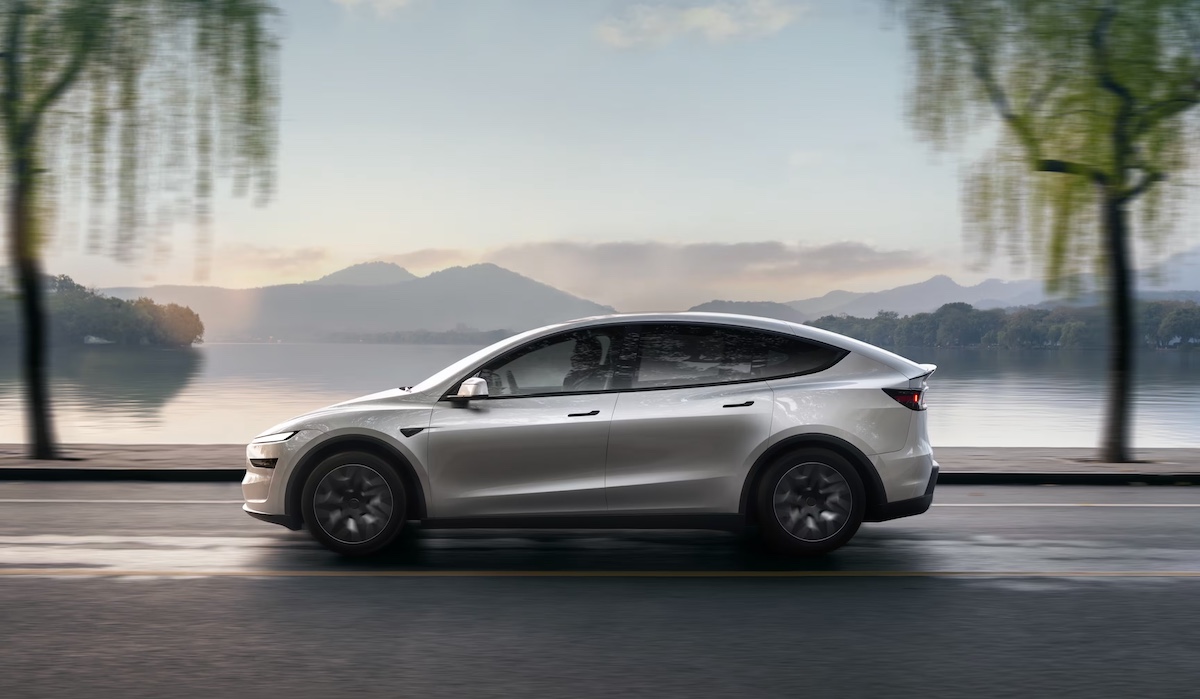
In the study, Li Yanwei stated bluntly that the price war was “by no means a short-term marketing campaign,” but one that has “profoundly reshaped the industry’s competitive landscape.” Prolonged price reductions not only eroded vehicle-level profits, but also amplified inventory and cash-flow pressures on dealers, while shifting risks upstream to suppliers—resulting in longer accounts receivable cycles and delayed payments. Against this backdrop, Beijing authorities intervened in mid-2025, summoning major automakers to rein in aggressive price cuts and address structural issues related to overdue payments to suppliers.
From the research findings, regulatory intervention does appear to have had an effect to a certain extent. Li Yanwei estimates that, compared with the first half of 2025, the easing of discounts in the second half allowed the industry to recover around 20 billion yuan (approximately NT$90.84 billion) in revenue that might otherwise have been lost—indicating that policy signals have had a tangible impact on market expectations.

Looking ahead, foreign research institutions have adopted a more cautious stance. Citi analysts note that the likelihood of another round of significant price cuts in 2026 is low, citing factors such as declining consumer sensitivity to price changes, rising raw material costs, and the Chinese government’s push for “anti-involution” policies aimed at curbing endless and unsustainable competition. Taken together, these factors could instead accelerate industry consolidation, weeding out participants with weaker capital bases and technological foundations.
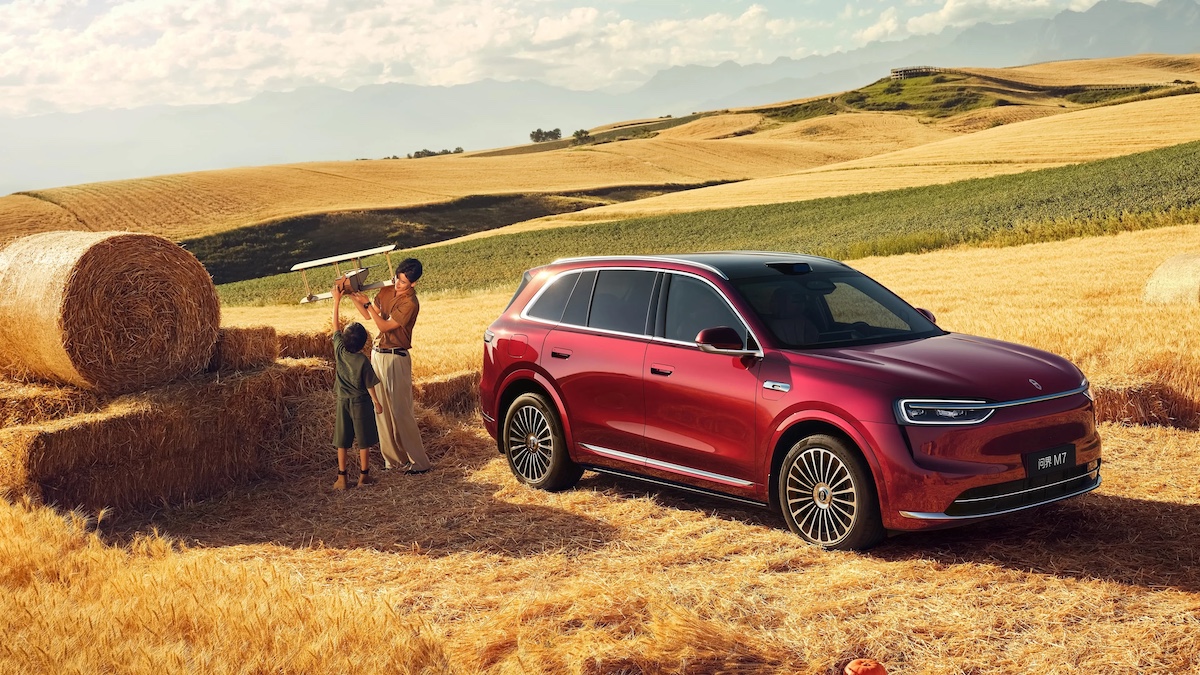
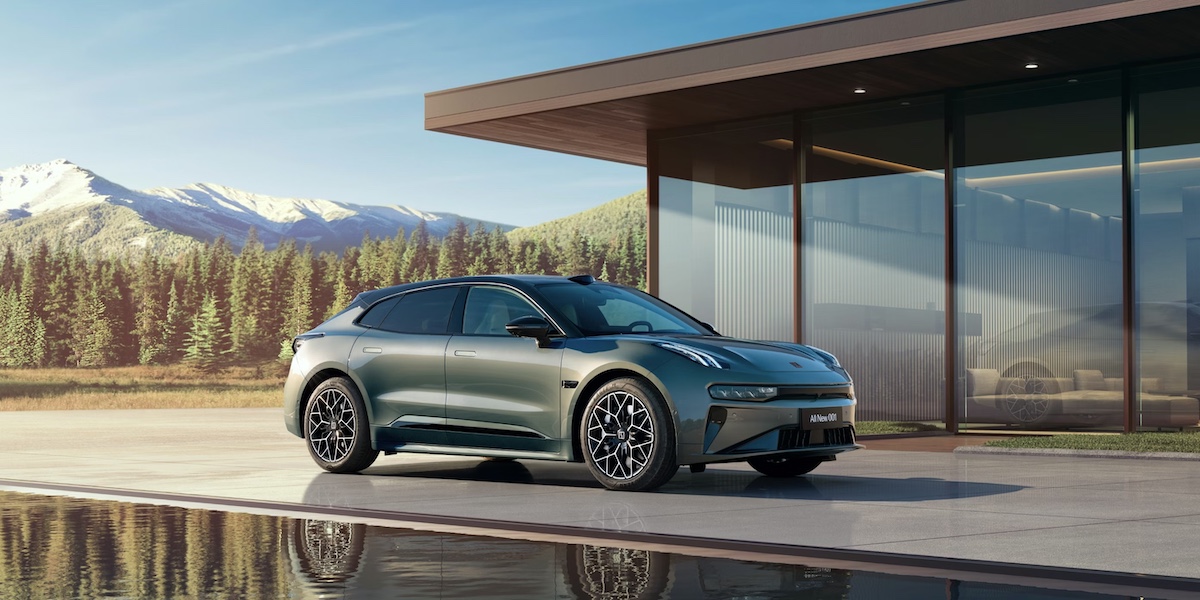
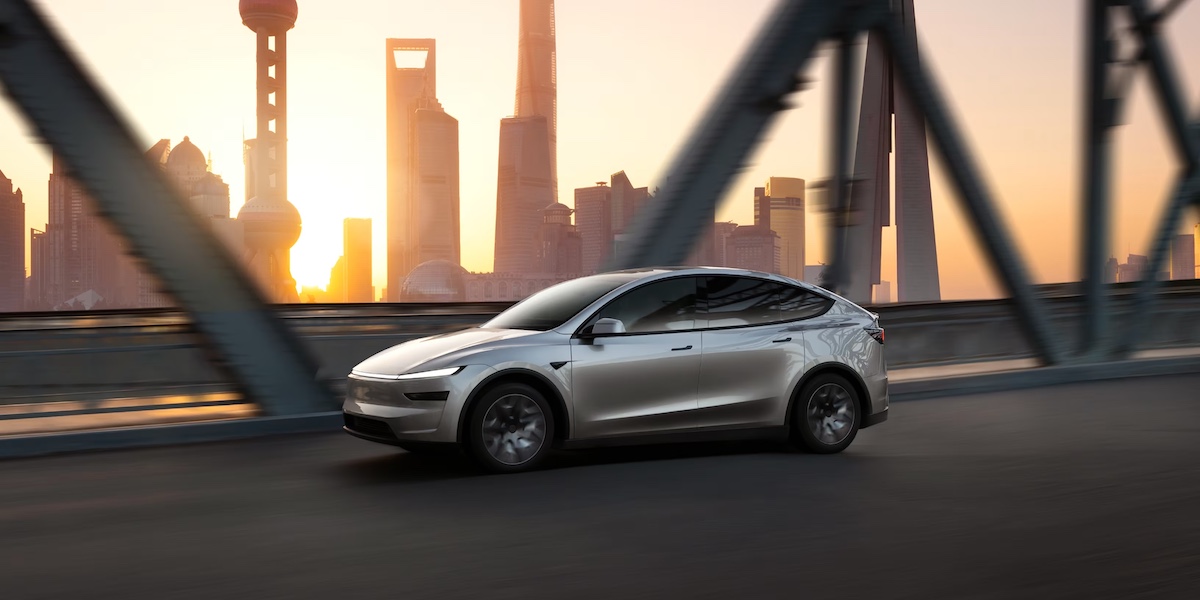
It is worth noting that the price war has not truly ended, but has shifted toward more implicit forms. In January, Tesla introduced—for the first time in the Chinese market—a five-year, zero-interest financing plan for the best-selling Model Y L, replacing direct price cuts with financial incentives. Several new-generation brands have adopted similar strategies, including Zeekr, Li Auto, and Aito—backed by Huawei—all of which have pledged to offer consumer compensation once China’s new energy vehicle purchase tax subsidies are phased out in 2026. In substance, these measures still represent indirect price adjustments.
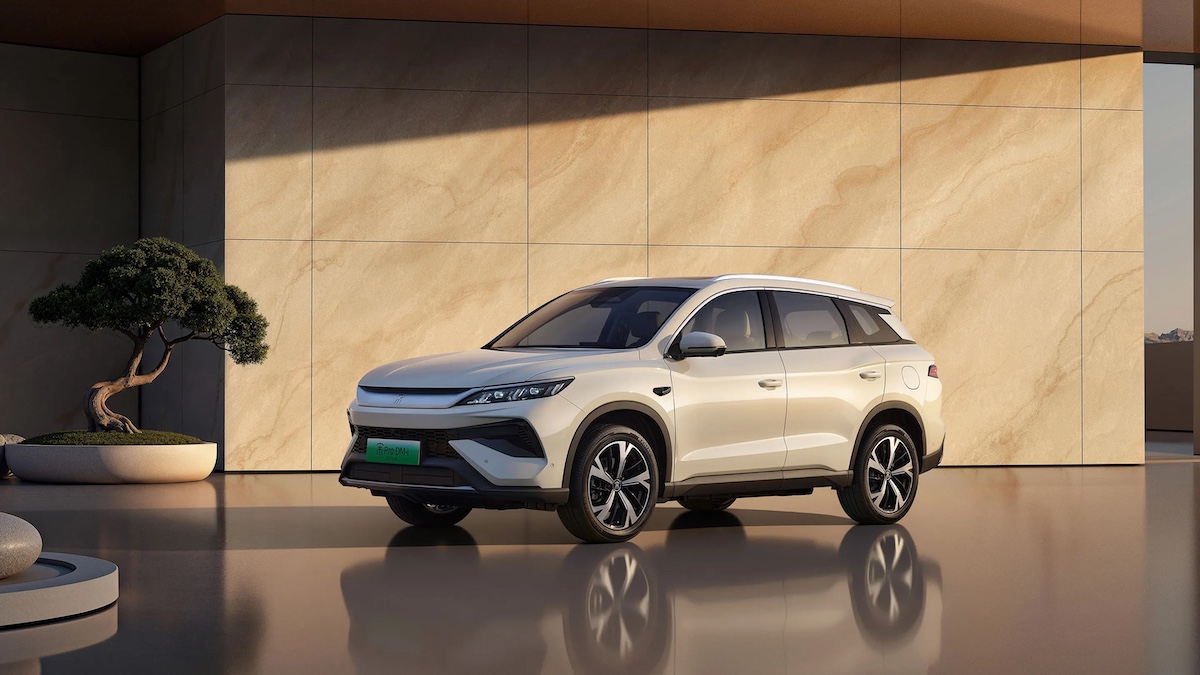
By contrast, BYD has chosen a different path. Rather than engaging head-on through sticker price cuts, it has upgraded existing models with longer driving ranges and more advanced features, enhancing perceived value while keeping prices unchanged. The aim is to shift the competitive focus away from who is cheaper, back to who offers better overall value.
Overall, China’s automotive market is transitioning from overt price warfare to a more complex phase of competition. The key going forward will not be the magnitude of any single price cut, but whether companies can rebuild sustainable business models under the combined pressures of regulatory constraints, rising costs, and rapid technological evolution. The greatest lesson left by this price war may be that when price becomes the only weapon, the entire industry ultimately pays a cost that cannot be ignored.