The guidance document released by the EU on Monday for the first time clearly outlines the principles and operational framework that Mainland Chinese EV manufacturers must follow when submitting price undertakings. At its core is the establishment of a “minimum import price.” The European Commission emphasized that the price level must be “sufficient to remove the injurious effects of the subsidization,” rather than serving as a merely symbolic threshold. In addition, investment plans by Mainland Chinese automakers within the EU will be taken into consideration, underscoring the EU’s intent to steer Chinese-funded carmakers away from a pure export model and toward localized production and deeper supply-chain integration.
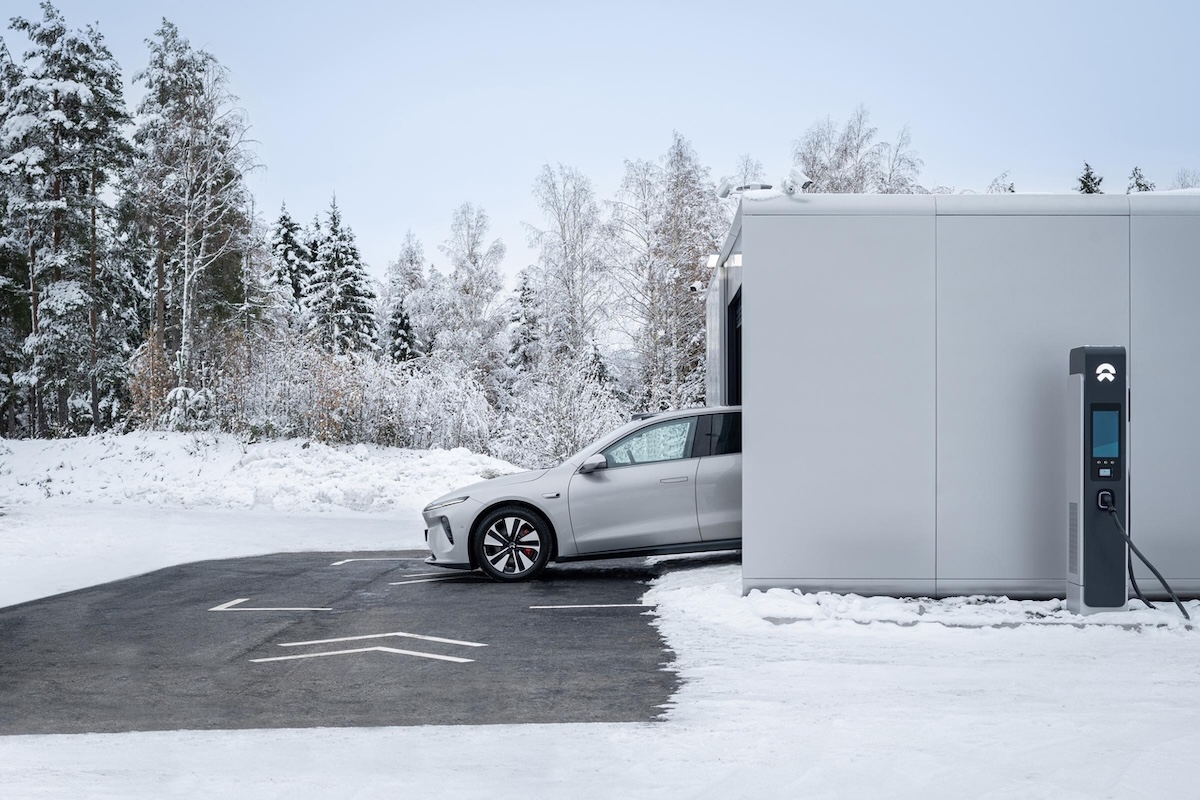
This policy adjustment follows the EU’s completion of its anti-subsidy investigation in 2024, after which it imposed countervailing duties on Mainland China–made battery electric vehicles for a five-year period, with tariff rates ranging from 7.8% to 35.3%. The EU has long argued that Mainland Chinese EVs, backed by large-scale government subsidies, entered the European market at prices significantly below fair market levels, causing material economic harm to local manufacturers. This concern is particularly acute given the high costs of electrification and the limited profit margins facing European automakers, making price competition especially sensitive.
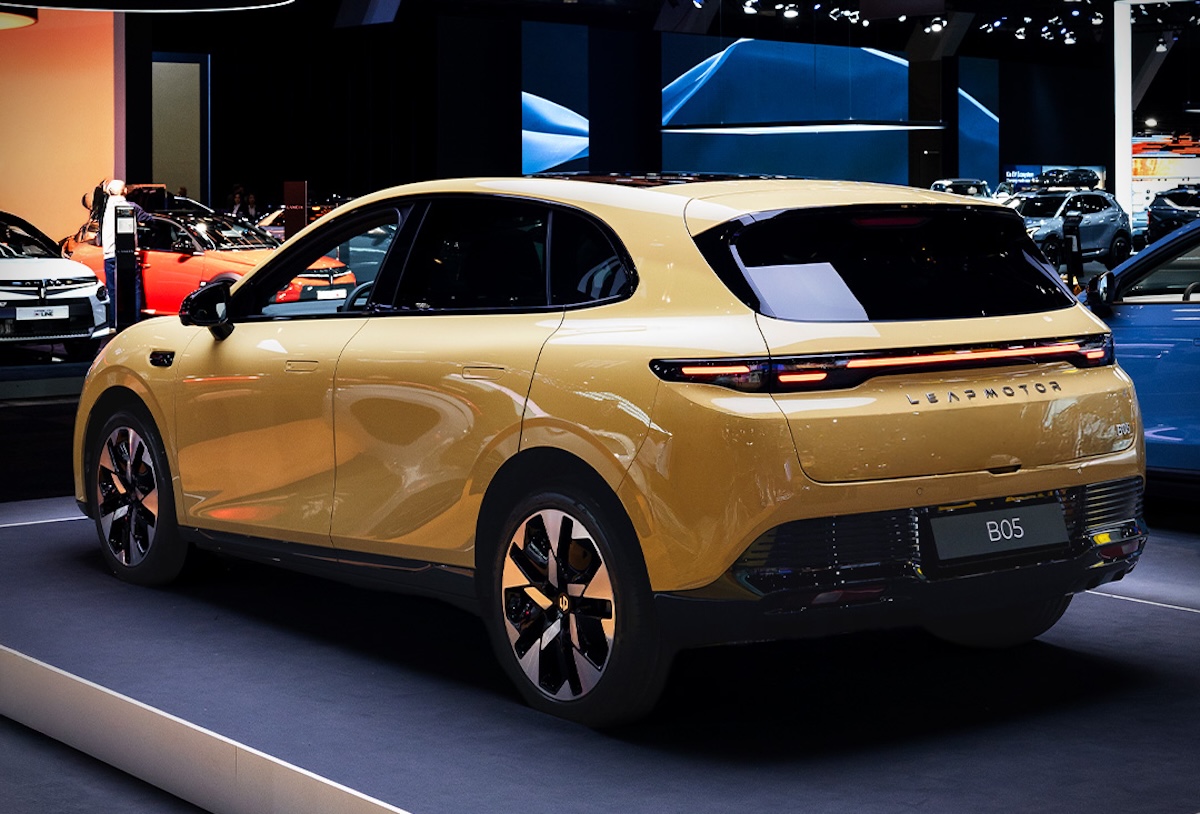
The European Commission has reiterated that the European market is not closed to electric vehicles from Mainland China, provided that competition takes place on a level playing field. As long as price undertakings comply with the principle of non-discrimination and align with World Trade Organization (WTO) rules, the EU is willing to assess each case objectively and fairly. Such statements indicate that the EU is still seeking to avoid a full escalation of trade disputes and to preserve room for institutionalized negotiations.
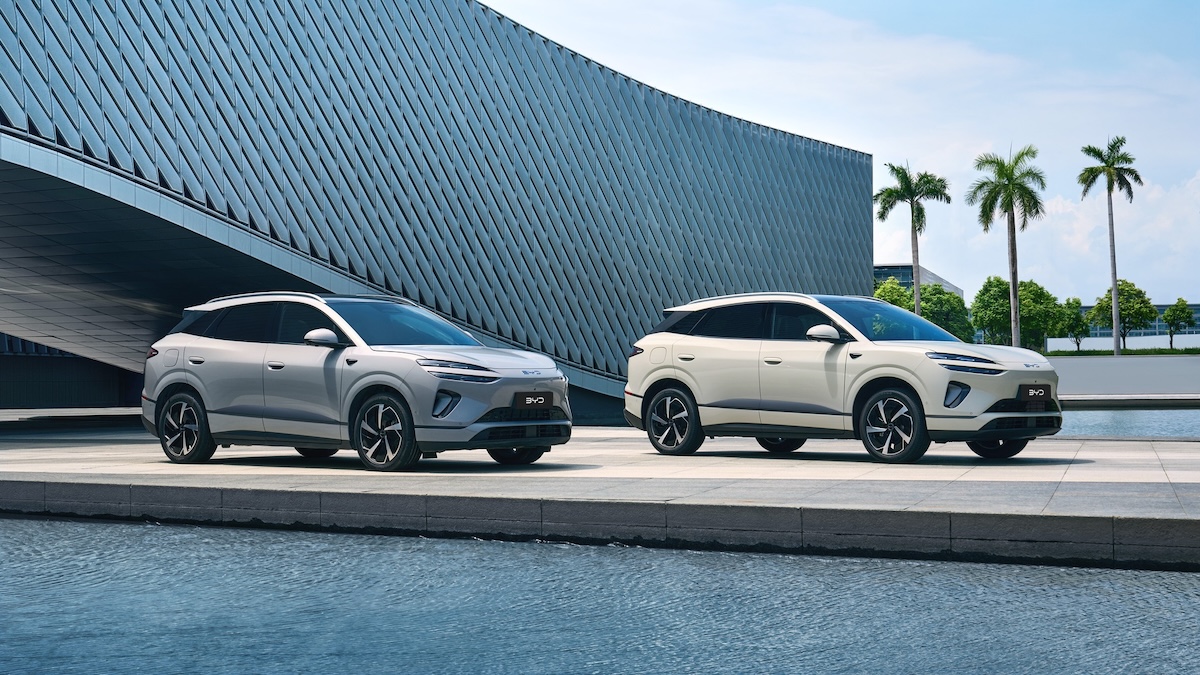
From the perspective of Mainland China, the move is being viewed as an opportunity for a “soft landing.” Mainland China’s Ministry of Commerce stated that the mechanism is conducive to safeguarding the healthy development of China–EU economic and trade relations, while also upholding a rules-based international trade order. The Mainland China Chamber of Commerce to the EU has likewise publicly welcomed the development, arguing that it helps reduce uncertainty and enables companies to plan their European market strategies under a more stable policy environment.
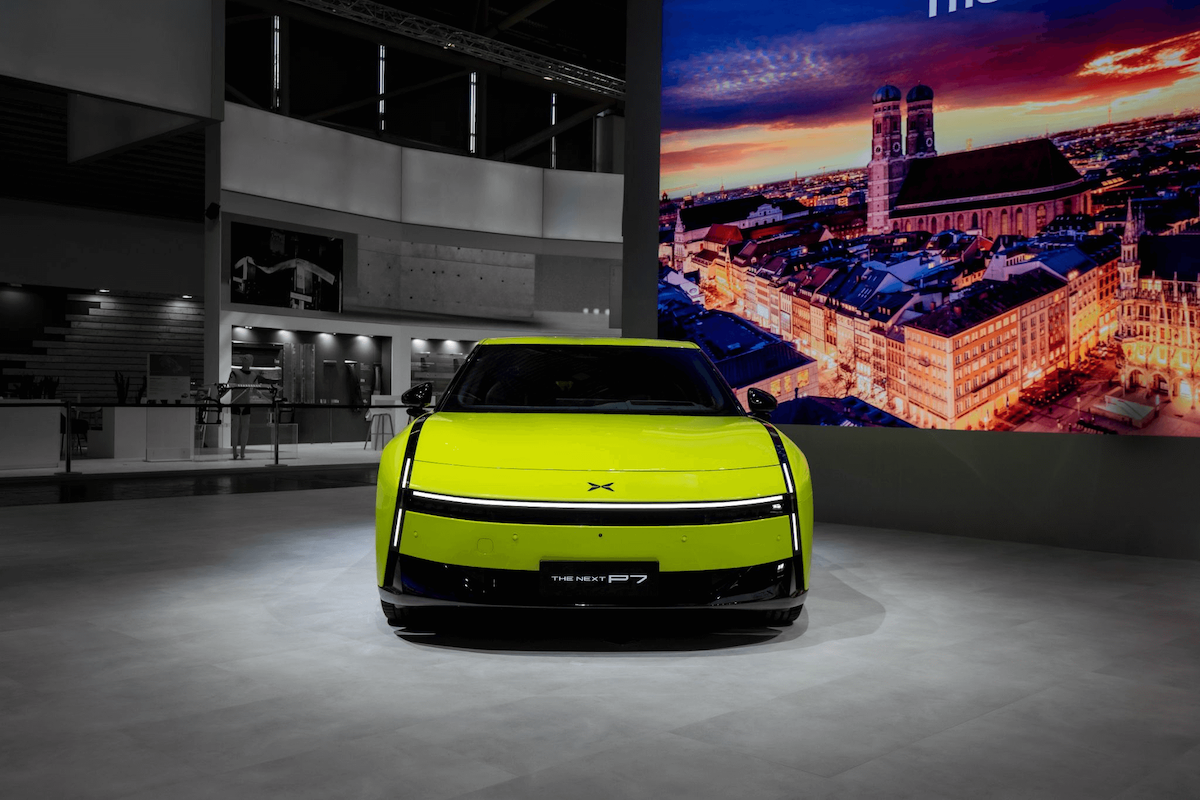
From an industry standpoint, the price undertaking system is widely regarded as a compromise solution. While minimum import prices may erode the pricing advantage of Mainland Chinese brands, they still preserve the feasibility of long-term exports to Europe when compared with punitive tariff levels. Even as competitive conditions become more stringent, it is broadly believed that the penetration of Mainland Chinese brands in the European market will continue, with the key differences lying in pace and trajectory rather than direction.
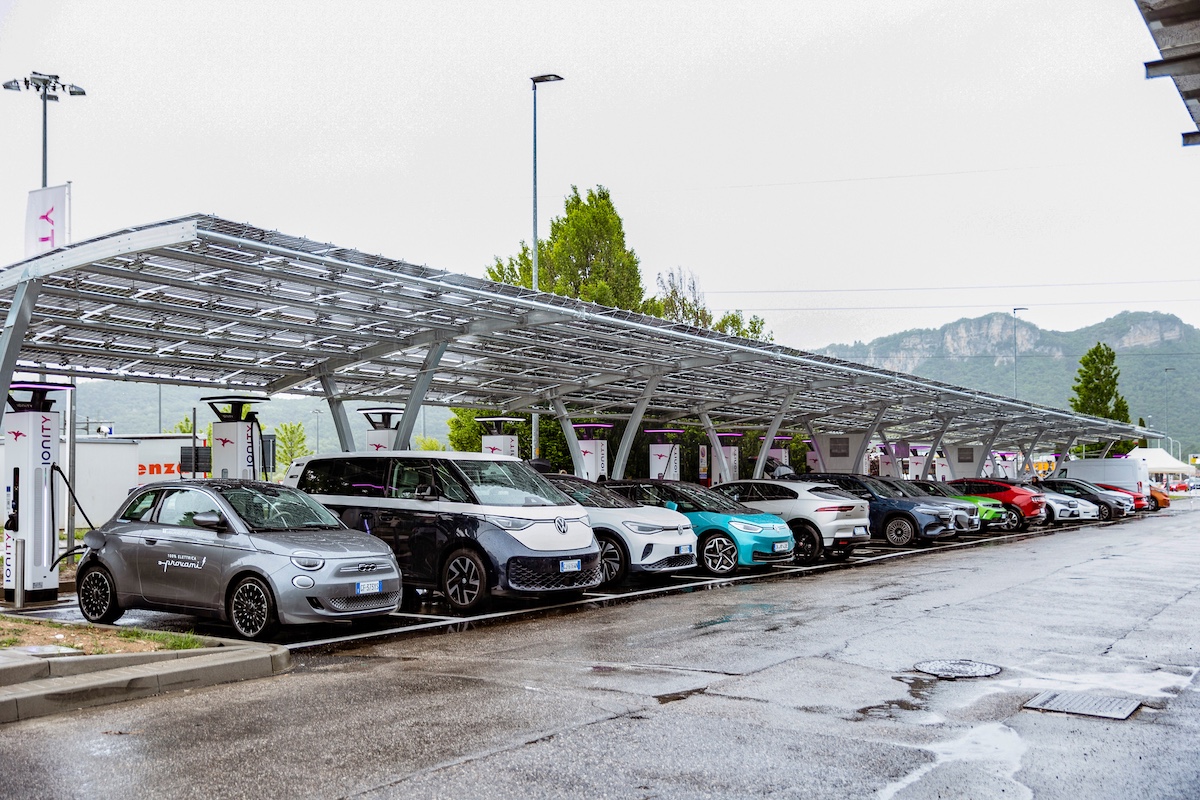
Nevertheless, the actual level at which the price floor is set will have a direct impact on market response. If approved minimum prices significantly narrow the gap between Mainland China–made EVs and European rivals, certain segments of consumer demand are likely to be constrained—particularly in price-sensitive entry-level and mid-range segments. This would signal a shift in future competition away from pure price wars and toward product competitiveness, brand trust, and localized service networks.
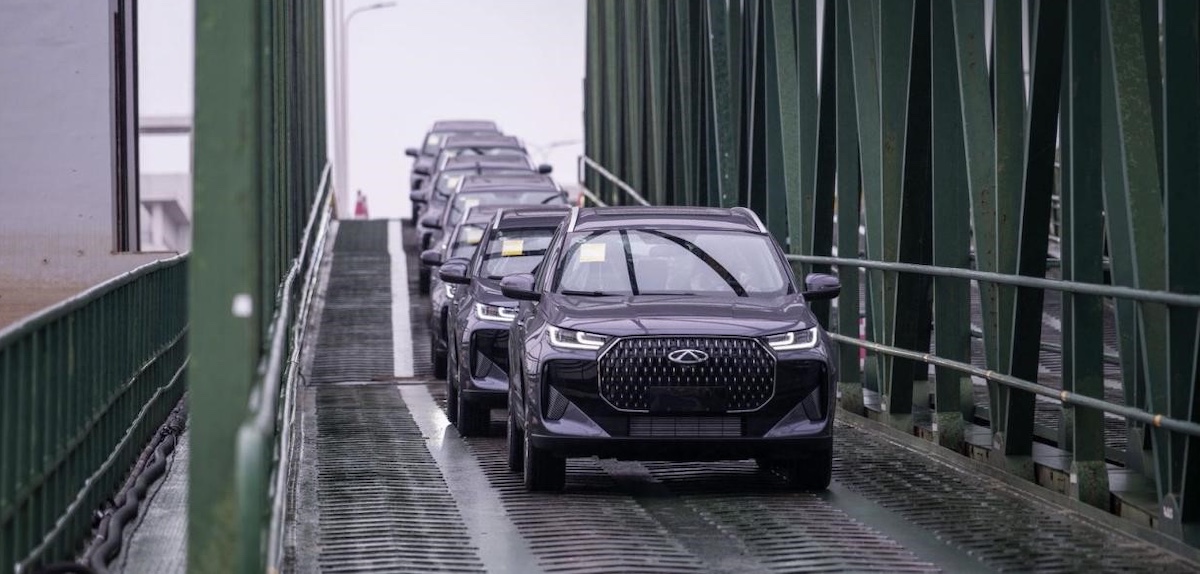
It is also worth noting that the EU faces inherent structural contradictions in its China policy. European automakers are highly dependent on supplies from Mainland China, including batteries, rare-earth materials, and semiconductor components. As a result, excessively hardline trade measures risk undermining the security of Europe’s own industrial supply chains. This mutual dependence forces the EU to exercise careful policy calibration between protecting domestic manufacturing and avoiding damage to its broader trade relationship with China.

From a data perspective, the presence of Mainland China–made vehicles in the EU market has continued to grow. In the first half of 2025, vehicles manufactured in Mainland China accounted for approximately 6% of EU sales, up from 5% in the same period of 2024. While EU-based automakers still represented around 74% of total sales, with Germany, France, and Central and Eastern European countries remaining key production hubs, consultancies generally expect Mainland Chinese brands to double their European market share to around 10% by 2030.
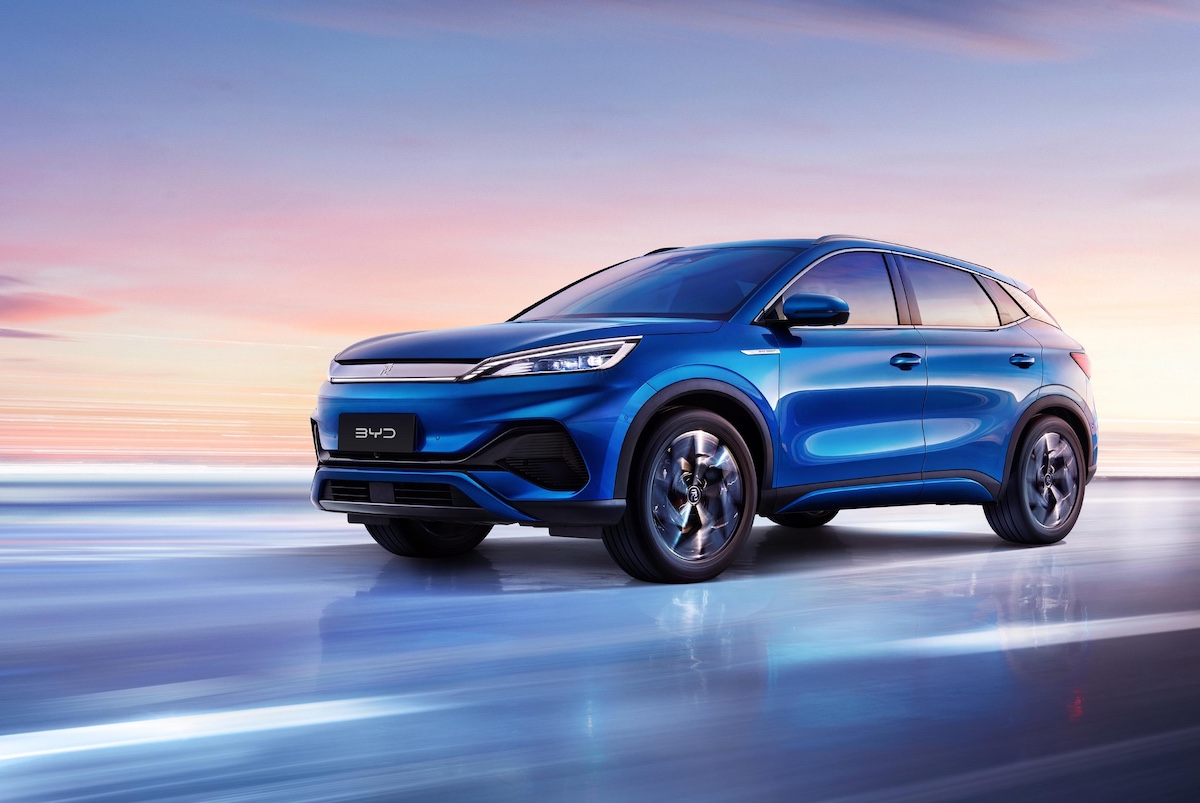
Overall, the price undertaking mechanism does not represent the end of competition between Mainland China and the EU in the electric vehicle sector, but rather a transitional regulatory adjustment. While it temporarily eases trade tensions, it also raises the strategic threshold for Mainland Chinese automakers. In the coming years, localization and product strength—more than price alone—are likely to determine whether Mainland Chinese EVs can secure a sustainable long-term competitive position in the European market.