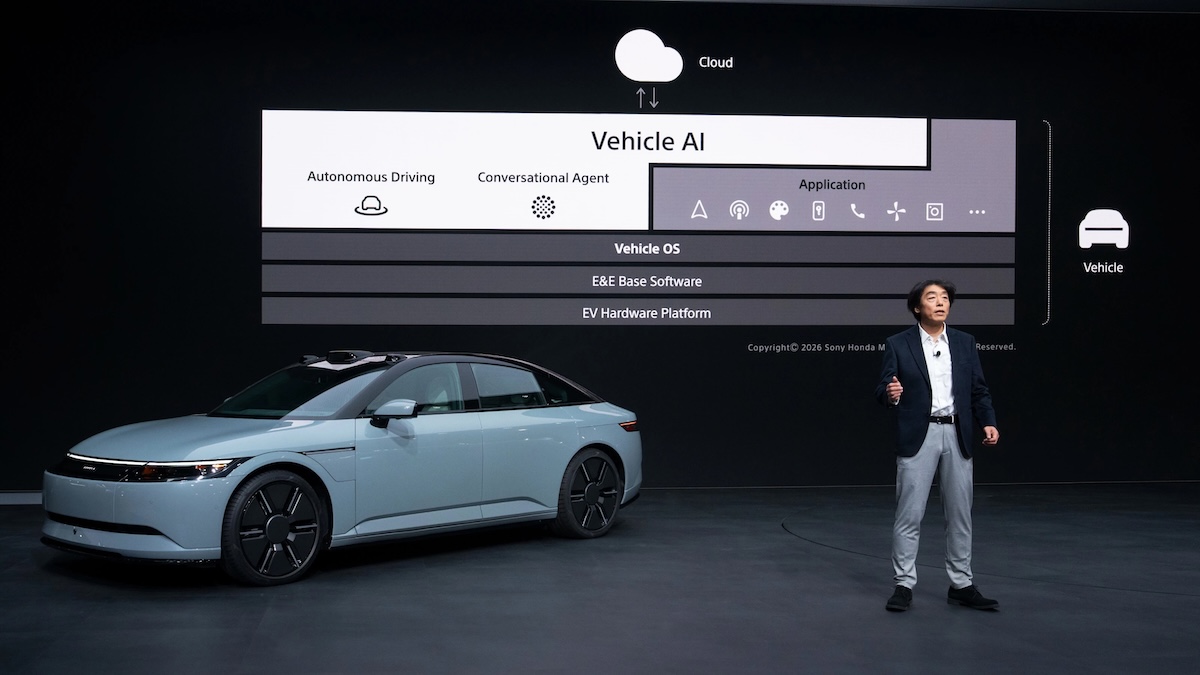
Looking at today’s most prominent AI technologies, this year’s CES revealed an evolution from Generative AI to Agentic AI. The in-car voice assistants we are familiar with were largely limited to executing passive, one-way commands. However, led by camps including Nvidia, Bosch, Mercedes-Benz, and Ford, systems with "active reasoning" capabilities were showcased. These systems combine edge computing with environmental perception; they no longer just answer navigation queries but can sense a driver’s emotional fluctuations and physiological fatigue, actively adjusting driving modes or optimizing communication environments. This shift signifies that vehicles are beginning to possess "contextual awareness," understanding the driver's immediate needs—whether it is a quiet cabin for focused work or alert interventions during long-haul fatigue—reshaping the cockpit from a cold mobile space into a perceptive, intelligent companion.
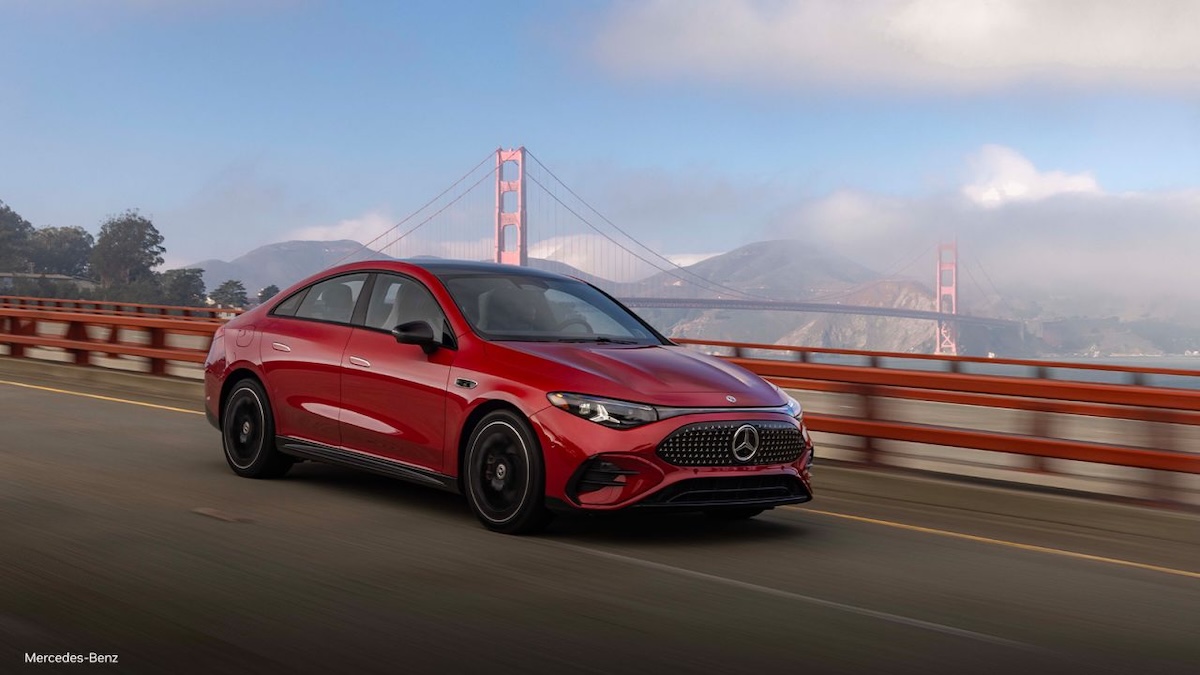
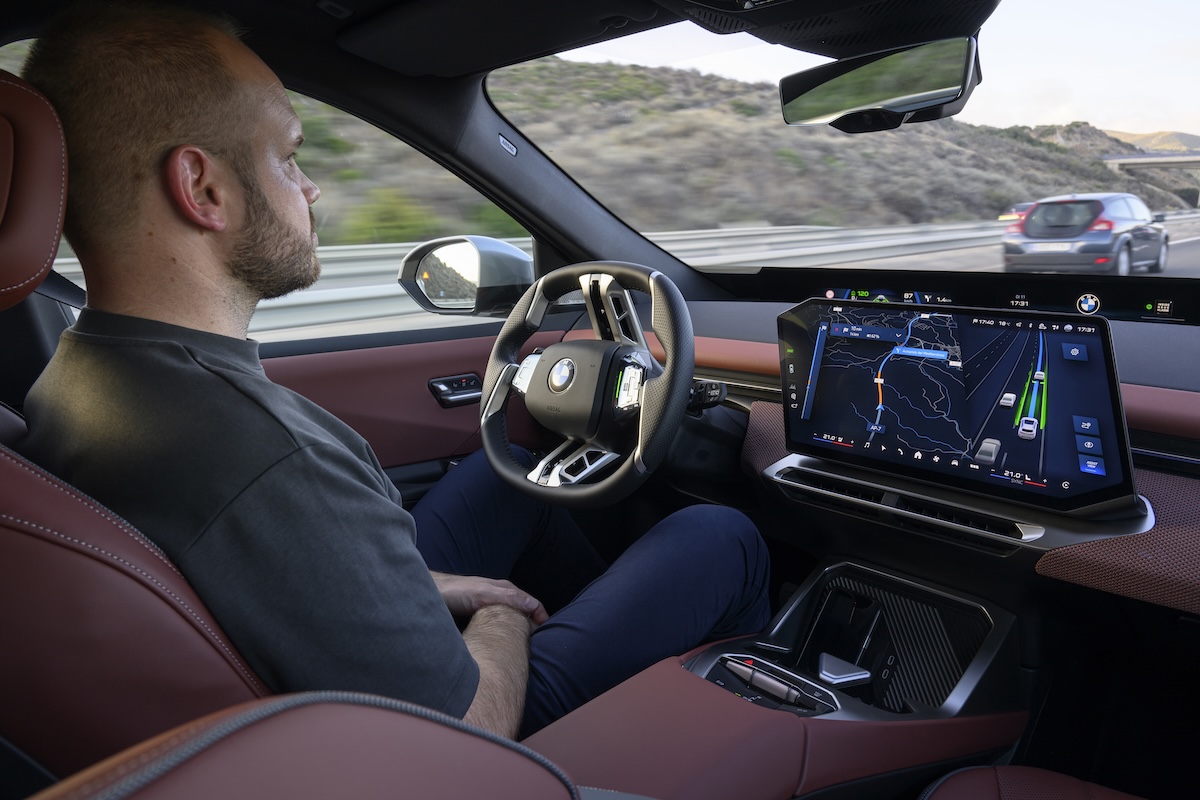
As Software-Defined Vehicle (SDV) technology enters mass production, the profit logic of the automotive industry is undergoing a fundamental upheaval. From the demonstrations of the BMW Neue Klasse and Sony-Honda Afeela, it is evident that hardware architectures are being highly standardized and integrated. This not only simplifies production but also creates immense room for subsequent software subscription services. While traditional vehicles begin to depreciate the moment they are delivered, the 2026 SDV architecture allows vehicles to gain new autonomous driving algorithms, entertainment features, and even performance optimizations throughout their lifecycle via High-Performance Computing (HPC) platforms and continuous Over-the-Air (OTA) updates. This "fixed hardware, evolving software" model is forcing the traditional supply chain to shift from selling parts to long-term collaboration within a software ecosystem, granting tech giants like MediaTek and Qualcomm unprecedented influence in the automotive value chain.
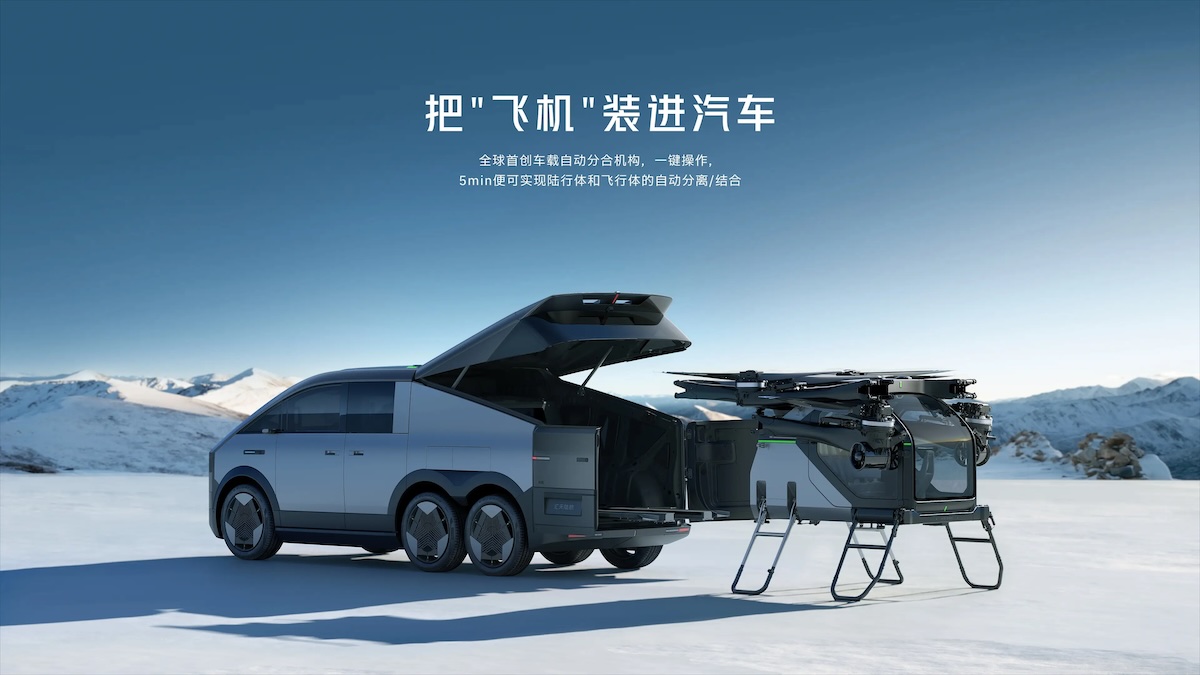
Beyond the evolution of the internal soul, CES 2026 also showcased breakthroughs in the physical boundaries of mobility tools. Flying cars are no longer a distant sci-fi concept; the modular "Land Aircraft Carrier" displayed by XPeng AeroHT and the commercial operation plans of Joby Aviation symbolize the official extension of urban mobility into the "vertical dimension."
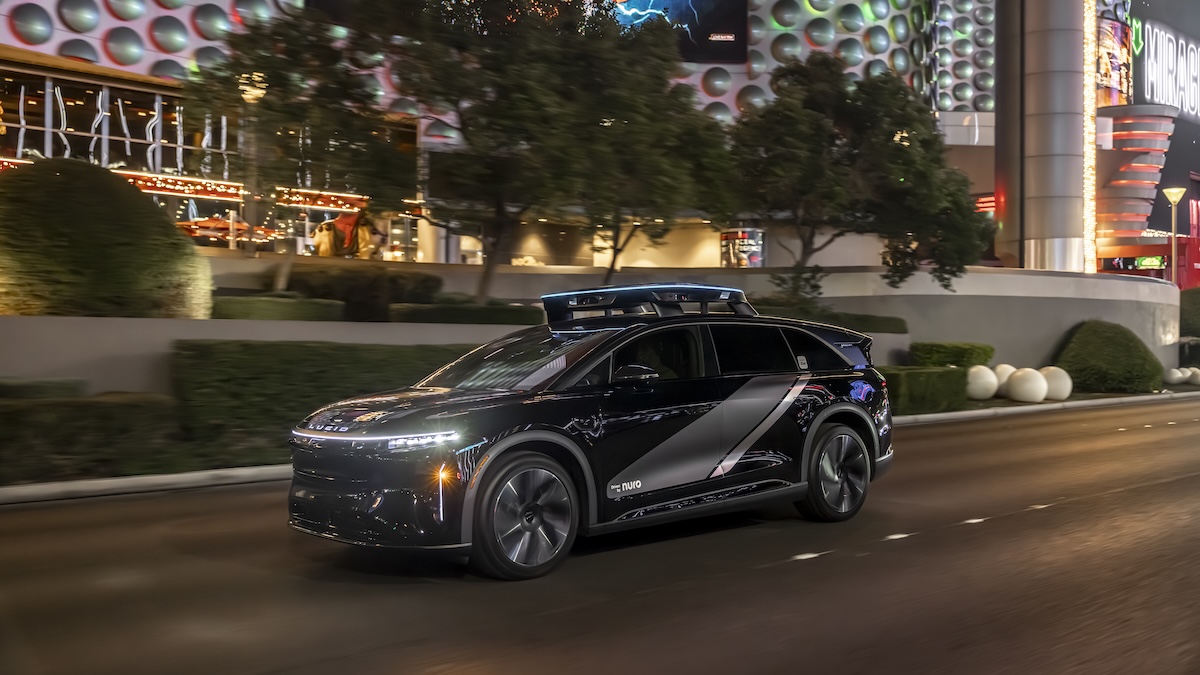
Simultaneously, after years of refinement, autonomous driving technology is beginning to bear commercial fruit in specific scenarios. The Robotaxi prototype co-created by Lucid and Uber, which removes the traditional steering wheel and rearranges the interior space, demonstrates the ultimate form of Mobility as a Service (MaaS). This is not merely a display of technology, but a challenge to urban space utilization and the concept of individual car ownership.
In summary, CES 2026 observed that while the visions for AI and autonomous driving are incredibly ambitious, the industry chain must balance innovation with pragmatic considerations of cost efficiency and real-world implementation. Automakers are utilizing AI tools to shorten software development cycles and replacing expensive sensing hardware with smarter vision algorithms, attempting to find a balance between technological dividends and cost pressures. The future of the automotive industry is expected to be a comprehensive competition involving computing power, data, and ecosystems. The automobile will no longer be a simple means of transport, but is poised to become a mobile, thinking, digital living entity that transcends boundaries.